
Loading...
Serving Opelika, AL and surrounding areas. (334) 704-8271
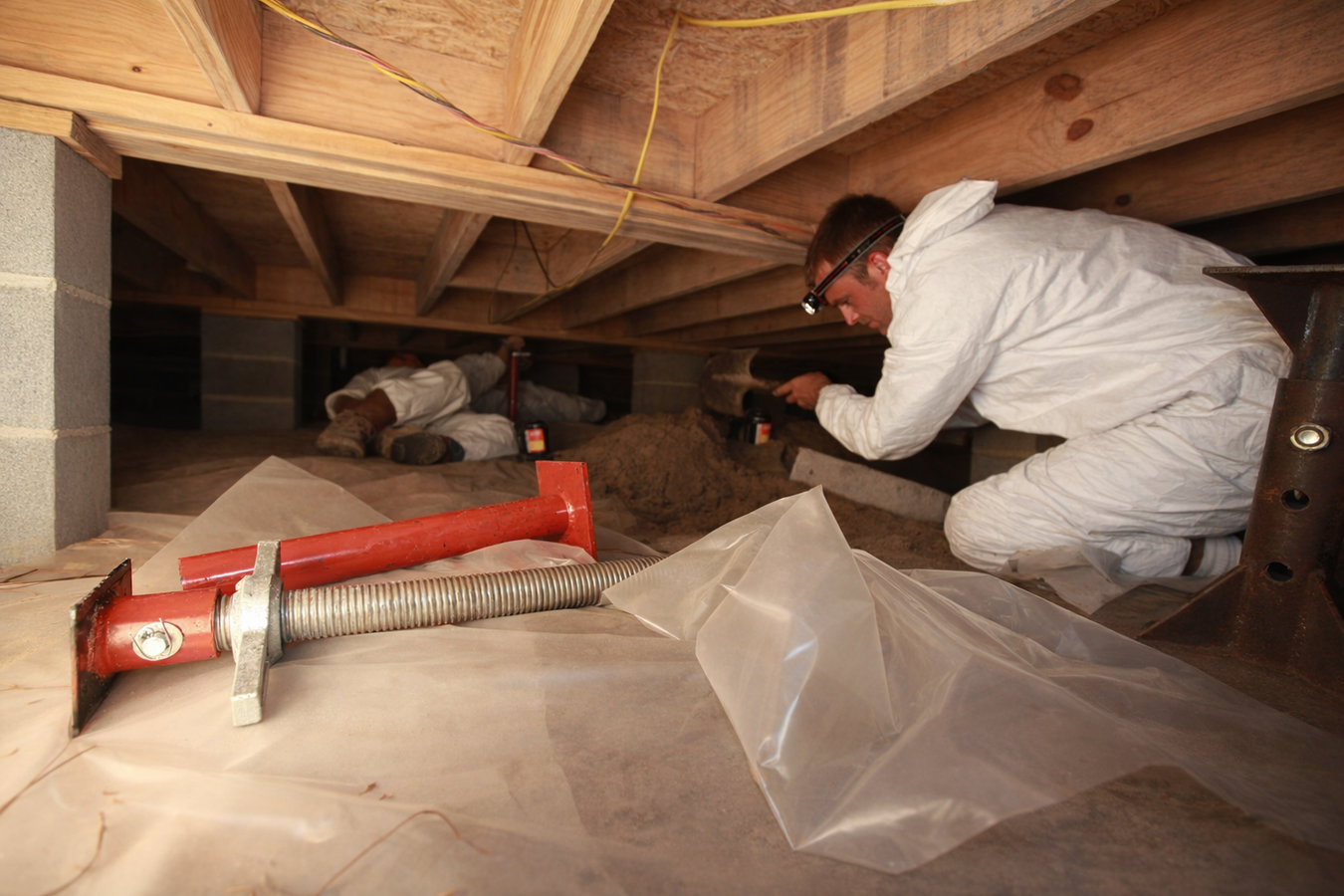
Ground moisture is the most overlooked threat to older Opelika homes. Vapor barrier installation stops it before it rots floor joists, grows mold, or triggers a costly inspection flag when you go to sell.
Vapor barrier installation in Opelika covers the bare ground in your crawl space or basement with heavy plastic sheeting, creating a physical break between the soil and your home's wood structure. Most jobs are completed in one day with no disruption inside your home, and the result is a measurably drier space that protects your floors, your air quality, and your home's value. Think of it as a raincoat for the ground beneath your house.
In Opelika, this is not a precautionary measure for edge cases - it is a practical necessity for most homes. The clay-heavy soils across Lee County hold moisture close to the surface for days after rain, and the combination of warm temperatures and high humidity means the ground under your home is releasing moisture upward in every season, not just spring. Homes built before the 1980s in established Opelika neighborhoods often have no effective barrier at all. Many homeowners who contact us about vapor barrier installation also ask about crawl space vapor barrier options, since both address the same underlying moisture challenge from different angles.
If a home inspector has flagged your crawl space in the Opelika and Auburn real estate market - where inspections are thorough and moisture issues come up frequently - addressing it now removes that obstacle before it affects a future sale.
If your wood floors flex more than they used to, or certain spots feel spongy when you walk on them, moisture has likely been working on the wood underneath for some time. In Opelika's clay-soil environment, this kind of damage can develop gradually over years without any visible water event - just the slow, steady rise of ground moisture through an unprotected crawl space. Soft spots are an early warning worth acting on.
A persistent musty or earthy smell inside your home - particularly noticeable first thing in the morning or after heavy rain - is one of the clearest signs that moisture is getting in from below. Opelika's frequent rainfall and high humidity mean crawl spaces without protection can develop mold or mildew that you smell long before you see it. If the smell is stronger near the floor or in rooms over the crawl space, the problem is almost certainly coming from underneath.
If you have looked into your crawl space and seen water droplets on pipes or wood, puddles on the ground, or soil that looks dark and wet even in dry weather, you already have a moisture problem. In Lee County's clay-heavy soil, water can pool under a home after rain and take days to drain away. Even a small amount of standing water is worth addressing before it reaches the wood structure above it.
If a home inspector noted missing, damaged, or inadequate moisture protection in your crawl space - during a purchase inspection or refinance appraisal - that is a formal, documented signal. In the Opelika and Auburn real estate market, crawl space moisture problems come up frequently in inspections and can stall or complicate a sale. Addressing it proactively protects both your investment and your options.
We install vapor barriers in crawl spaces and basements using properly rated plastic sheeting that is thick enough to hold up over time. Seams are overlapped by at least a foot and sealed with moisture-rated tape - not duct tape or packing tape that peels away over Opelika's hot summers. Edges are secured against foundation walls and around support posts so there are no gaps where moisture can sneak through. For homes where ground coverage alone is not enough, we also offer full encapsulation that extends the barrier up the foundation walls and around the full perimeter, working in close relationship with our crawl space vapor barrier service.
Pairing vapor barrier installation with attic air sealing is a common combination for Opelika homeowners trying to address moisture and energy loss at the same time - the crawl space and attic are the two areas where most homes lose the most to both. The EPA and the U.S. Department of Energy both identify vapor barriers as a key component of moisture control in homes built on crawl spaces, especially in humid climates.
Right for most Opelika homes where the primary source of moisture is the bare dirt floor of an unprotected crawl space.
Better for homes with recurring moisture problems, open vents letting in humid outside air, or crawl spaces that have been consistently damp.
Used in homes with basements where moisture is coming up through the concrete slab or from soil contact at the floor level.
Needed when old deteriorated plastic, construction debris, or standing water has to be cleared and addressed before new installation can proceed.
Opelika averages around 55 inches of rain per year - well above the national average - and much of it falls in heavy spring thunderstorms that saturate the clay-heavy soils in Lee County quickly. Because those soils do not drain fast, the ground under your home stays wet long after a storm has passed. That sustained dampness is the biggest driver of crawl space moisture problems in this area. Add in summer humidity that sits above 80 percent for months at a time, and you have conditions where an unprotected crawl space is under constant, year-round pressure. Homes built on pier-and-beam or block foundations, which are common in Opelika's older residential neighborhoods, feel this more directly than slab-built homes.
We serve homeowners throughout the region, including Phenix City and Valley, where the same soil and climate conditions create the same moisture challenges. Opelika is also directly adjacent to Auburn, and the two cities share a housing market where homes get inspected carefully and frequently. Crawl space moisture is one of the most common inspection flags in this market - and having a properly installed, documented vapor barrier removes it before it ever becomes a problem for a buyer or lender.
We will ask a few basic questions about your home - its age, whether you have noticed any smells or moisture issues, and what you know about your current crawl space. We reply within one business day and can usually schedule your free estimate visit within a few days of your call.
The contractor physically enters your crawl space to look at what is currently there, check for standing water or mold, measure the space, and evaluate access. They come back out and walk you through what they found in plain terms - what needs to happen, why, and what it will cost. A good contractor will show you photos from inside the crawl space so you can see the condition yourself.
You receive a written quote specifying the work to be done, the thickness of the plastic being installed, and the total cost. Compare at least two or three quotes - and make sure each one specifies what mil thickness the barrier is and how seams will be handled. These details matter for long-term performance.
Most standard jobs are done in one day. The crew clears any debris, lays the barrier across the full floor, overlaps and tapes every seam, and secures the edges to the foundation walls. Before they leave, they provide photos from inside the crawl space so you can verify the work without going in yourself.
Free, written estimate. No pressure. We reply within one business day.
(334) 704-8271If your crawl space has standing water or active mold that needs to be addressed before a barrier goes in, we say so. Installing plastic over a drainage problem does not fix anything. A contractor who skips that conversation is setting you up for a repeat call, not a solved problem.
Thin 6-mil sheeting is the cheapest option and the most likely to tear when a plumber or HVAC technician crawls through later. We install heavier material suited to a climate where your crawl space is under sustained moisture pressure every month of the year - so you are not replacing it in five years.
Most homeowners never go into their crawl space. We provide photos from inside the crawl space showing full coverage, taped seams, and wall attachment so you can verify the work was done right without having to crawl in yourself. This is a completely reasonable expectation and we are happy to do it.
We work in Opelika and the surrounding Lee County area, which means we understand the specific moisture challenges that clay-heavy soils and older housing stock create here. We know the local permit process and can tell you upfront whether your project requires one - so you are not surprised later when you sell.
A properly installed vapor barrier is one of the most straightforward improvements you can make to an older Opelika home, and the quality of the installation is entirely visible and verifiable. We do the job right the first time and make sure you can see that before we leave.
Seal the gaps in your attic that let conditioned air escape and humid outside air in - often paired with crawl space work for whole-home moisture control.
Learn MoreGround-cover installation focused specifically on the crawl space floor, with sealed seams and wall termination for lasting moisture protection.
Learn MoreWith Opelika's rainy season around the corner, scheduling vapor barrier installation now means one less thing working against your home all summer.